Is It Bad to Crack Your Own Back or Neck? A Loveland Chiropractor Answers
Usually not dangerous, usually not helpful for long. Here is why the urge keeps coming back, and what I tell patients to do instead.
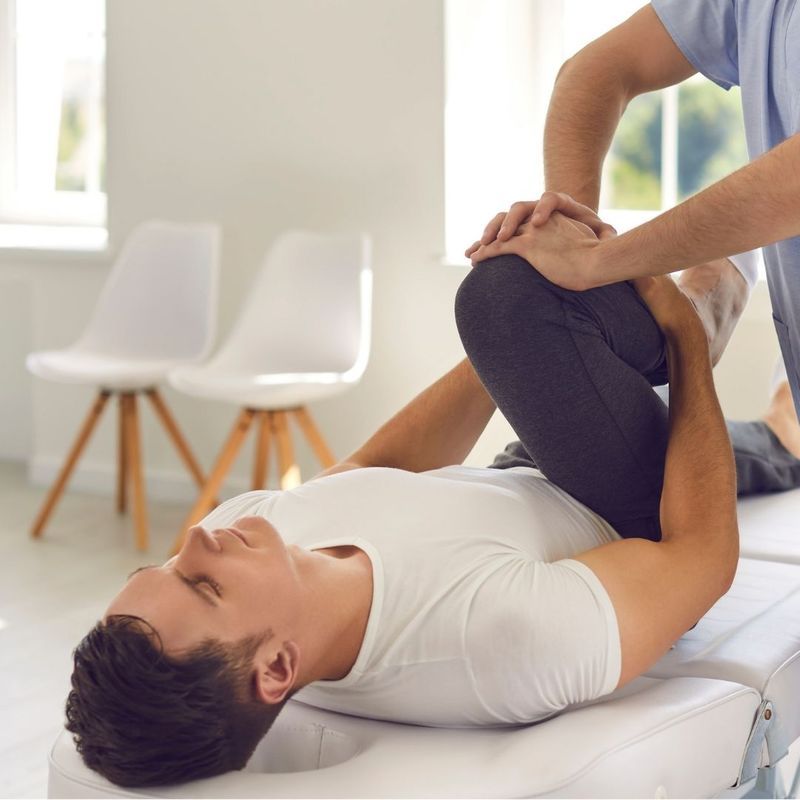
Cracking your own back or neck once in a while usually isn’t harmful, but it rarely helps for long, and yanking or forcing your own neck is a habit I’d ask you to quit. The pop feels good for a few minutes because the joints that move are the loose ones, while the stiff joint causing the problem stays stuck.
That’s the short answer. If you’re one of the people who cracks your neck at every red light on Eisenhower, keep reading, because the habit is telling you something.
What the Pop Actually Is
The sound is gas, not bone. Each joint in your spine sits in a small capsule of fluid. When the joint moves quickly, the pressure in that capsule drops and gas comes out of the fluid. You hear the pop, and the nerves around the joint tell the nearby muscles to relax for a bit. That’s the relief you feel. I go into more detail in why does my back crack.
Nothing is snapping back into place when you do it yourself. And that’s the catch.
Why Cracking Your Own Back or Neck Rarely Lasts
Here’s the deal. When you twist in your chair or roll your head until something pops, your body takes the path of least resistance. The joints that already move easily are the ones that give. The joint that’s actually stiff doesn’t budge, because it’s stiff. That’s the whole problem.
So the loose joints get a little looser, the stuck one stays stuck, and the muscles around it go right back to guarding and protecting it. An hour later you feel tight again and reach for another pop. Your spine protects your nerves, and your nerves control everything in your body. When one segment isn’t moving the way it should, the tension around it is your body doing its job, not a knot you can wring out.
So why does it feel so good if it isn’t fixing anything? You may have heard it’s endorphins, your body’s own feel-good chemicals. Maybe, a little. A few small studies have looked at that, and the results are mixed. What’s better understood is that the quick stretch fires off nerve endings around the joint that turn down tension for a few minutes. It feels good, so you do it again. Then again. That’s how it turns into a habit, and why so many people feel a little hooked on it.
People tell me, “I just do it because it feels good.” Fair enough. But if you’re doing it ten times a day, that’s not a habit anymore. That’s a signal.
Is Cracking Your Own Neck Different?
A little, yes. Your neck holds up a heavy head all day and has less room for error than your mid-back. Gently turning your head and hearing a pop is one thing. Grabbing your own chin and jerking your head sideways, or having a friend “crack it for you” at a barbecue, is another. That kind of quick, forceful twist isn’t aimed at anything, and I’d ask you to stop doing it.
Some warning signs aren’t a chiropractic question at all. If a neck pop or a neck movement is followed by a sudden, severe headache, dizziness, trouble speaking, vision changes, or weakness or numbness in your face, arm or leg, call 911 or go to the ER. Those need a medical evaluation first, every time.
When the Habit Is Worth a Look
A pop by itself is nothing to worry about. Pay attention when it comes with something else:
The urge comes back within the hour, every day. A spot feels stuck no matter how much you twist. You get pain that hangs around after the pop, headaches that start at the base of your skull, or tingling down an arm or a leg. Or you notice you can’t turn your head as far as you used to when you check your blind spot.
Those point to a segment that isn’t moving well, with its neighbors working overtime to make up for it. That’s exactly what an exam is for. Neck symptoms like that are a big part of what we see for neck pain, too.
What to Do Instead of Cracking It Yourself
Real quick, a few things that help more than another twist:
Move more often, more gently. Slowly turn your head side to side and tuck your chin back a few times an hour. No forcing, no bouncing. Stand up from your desk every 30 to 45 minutes.
Look at your setup. If your screen is low and off to the side, your neck spends all day bent and turned. Raise the screen to eye level and put it straight in front of you.
Stop chasing the sound. The pop isn’t the goal. A spine that moves well doesn’t need you to crack it all day.
What an Adjustment Does Differently
An adjustment is specific. Before I adjust anyone, I examine how each segment is moving, find the one that isn’t, and figure out which direction it needs to go. Then I move that segment and leave the healthy joints alone. Sometimes there’s a pop, sometimes there isn’t. The sound was never the point. The goal is to realign the spine and remove nerve interference so the muscles can calm down instead of guarding, and your body can work the way it’s designed to. You can read how that works on our chiropractic adjustments page.
You Don’t Have to Be in Pain to Get Checked
A lot of people who crack their necks all day would tell you nothing really hurts. They’re just tight. That’s a fine reason to come in. An exam looks at how your spine is moving and functioning, not only at pain. Plenty of people get checked to stay at their best: athletes, active adults, and busy parents who don’t have time to be laid up.
A Simple Next Step
If your back or neck has turned into a popcorn machine, come in and let’s take a look. Our New Patient Special includes a consultation with the doctor, an orthopedic and neurological exam, and a report of findings. You’ll leave knowing which joint is doing the complaining and what I recommend, in plain words. Questions first? Call us at (970) 800-3486.
Related Care at Aligned and Well
- Chiropractic Adjustments in Loveland, CO
- Neck Pain Chiropractor in Loveland, CO
- Lower Back Pain Relief in Loveland, CO
Keep Reading
Common Questions
Questions Patients Ask Us
Is it bad to crack your own back or neck?
Once in a while it usually isn't harmful, but it rarely helps for long. The joints that pop are the loose ones, while the stiff joint causing the tightness stays stuck. Forceful twisting of your own neck is a habit worth quitting.
Why do I feel the need to crack my neck all the time?
A constant urge to crack usually means one segment isn't moving well and the muscles around it are guarding it. Popping the nearby loose joints brings brief relief, then the tightness returns. An exam can find the segment that isn't moving.
Have a different question? Read the full list of patient questions or call us at (970) 800-3486.
Get Started
Ready to Feel Like Yourself Again?
You have put this off long enough. One thorough exam tells you what is actually going on and what it will take to fix it. Call us or send a request — we will get you in.