What Should I Do in the First 72 Hours After a Car Accident in Loveland?
A calm, numbered checklist for the days after a crash, from red-flag symptoms to what to bring to your first exam.
In the first 72 hours after a car accident in Loveland, make sure everyone is safe, get any red-flag symptoms checked in the ER, open a claim with your auto insurance, and book an exam within the first week or two, even if you feel fine. Symptoms after a crash often show up days later, and the steps below keep both your health and your claim on track.
Say you get bumped from behind on US-34 near Centerra on your way home. Nobody’s bleeding, the bumper’s cracked, and you’re standing on the shoulder trying to remember where you put your insurance card. That’s the moment people make decisions they regret a week later. So here’s the deal: a calm checklist you can actually follow.
First: When to Go Straight to the ER
Some symptoms don’t wait for a chiropractor or anyone else. Go to the emergency room or call 911 if you have a headache that is severe or getting worse, confusion, trouble staying awake or vomiting after a hit to the head. The same goes for numbness, tingling or weakness in your arms or legs, trouble controlling your bladder or bowels, chest or belly pain, or neck pain so sharp you can’t move your head.
Those come first, every time. Everything below is for the people who walk away shaken but upright.
1. Get Checked in the First Week or Two
This is the step people skip. Right after a collision your body floods with adrenaline, and adrenaline is a very good painkiller. Over the next few days it wears off, inflammation builds, and the neck stiffness, headaches and mid-back ache start to show up. I walk through why in the post on the two-week trap.
There’s a practical side too. A long gap between the accident and your first exam can make an insurance claim harder, because nothing on paper connects the injury to the crash. An exam in the first week or two either documents what happened or gives you real peace of mind that nothing did. Both are worth having.
2. Open a Claim, and Remember MedPay
Call your auto insurance company and open a claim, even if the other driver was at fault. When you get a claim number and an adjuster’s name and phone number, write them down somewhere you won’t lose them.
Then remember MedPay. Colorado car policies include at least $5,000 of medical payments coverage unless you turned it down in writing (C.R.S. 10-4-635), and it pays for care after a crash no matter who caused it. In most accident cases there is nothing to pay up front: we bill MedPay directly, and with an attorney lien we are paid from the settlement. For the longer version, including what happens when the other driver was at fault or had no insurance, read does car insurance cover chiropractic in Colorado.
One exception: Colorado’s MedPay requirement doesn’t apply to motorcycle policies, so riders should check their own policy. Our motorcycle accident page covers that side.
3. Know What to Bring to Your First Visit
Keep it simple. Bring your auto insurance information and your claim number. If you have an attorney, bring their name so we can work with their office. If you have the police report number, bring that too, but it isn’t required. That’s the whole list. No binder, no stack of forms from three different companies.
4. Take It Easy, but Don’t Freeze Up
For the first few days, skip the heavy lifting and the weekend project that involves a ladder. Pay attention to how you feel each morning and jot down anything new: a headache that starts at the base of your skull, a stiff neck when you check your blind spot, pain between your shoulder blades, tingling in a hand. Those notes help a lot at your exam, because by day five nobody remembers what hurt on day two.
The thing is, sitting perfectly still for a week isn’t the answer either. Normal, gentle movement within what’s comfortable usually beats locking up. If something makes it worse, stop doing that thing.
5. What Happens at Your Exam After a Car Accident in Loveland
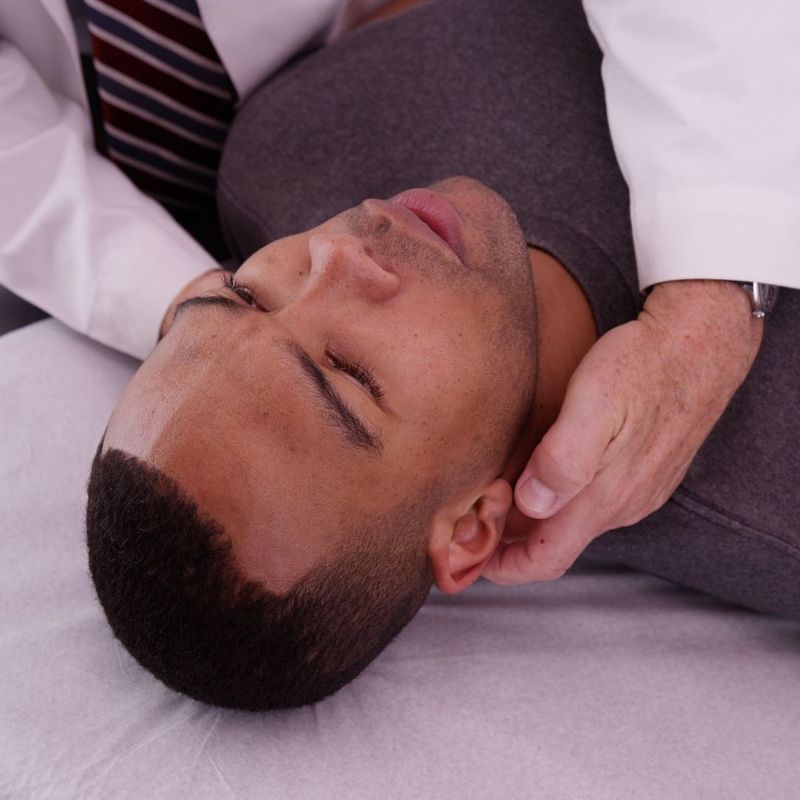
The visit starts with a conversation about what happened: where you were sitting, which direction you were hit, what you’ve felt since. Then an orthopedic and neurological exam to check how your spine is moving and how your nerves are working. Your spine protects your nerves, and your nerves control everything in your body. When a crash knocks joints out of normal motion, the muscles around them tighten up to guard and protect them. That guarding is a lot of what people feel as stiffness.
If care makes sense, I explain what I found and what I recommend in plain words before anything happens. Some people come in nervous about being adjusted after a wreck, and I get it. Along with hands-on adjusting, we have gentle, low-force options like a drop table and the Activator instrument, and I never force anything. Our car accident injury care page walks through what we look for, from whiplash to the mid-back strain a seat belt can leave behind.
You Don’t Have to Wait for Pain
This part surprises people: you don’t have to be hurting to get checked. An exam looks at how your spine is moving and functioning, and plenty of people come in to stay at their best, from athletes and active adults to busy parents who can’t afford to be laid up for a week. After a crash the same idea applies. Feeling okay and functioning well aren’t always the same thing, and an exam is how to find out.
And if you haven’t been in an accident at all and just want a baseline check, our New Patient Special includes a consultation with the doctor, an orthopedic and neurological exam, and a report of findings.
A Calm Next Step
If you’ve been in a crash this week, you don’t have to figure it all out today. Get safe, get the red flags looked at, open the claim, and call us at (970) 800-3486. Tell us you were in an accident, and we’ll help sort out the insurance side while we take a look at your neck and back.
One note: this is general information, not legal advice. For questions about your claim, talk to an attorney. For your spine, come in and let’s take a look.
Related Care at Aligned and Well
- Car Accident Injury Chiropractor in Loveland, CO
- Whiplash Injury Treatment in Loveland, CO
- Motorcycle Accident Chiropractor in Loveland, CO
Keep Reading
Common Questions
Questions Patients Ask Us
What should I do right after a car accident in Loveland?
Make sure everyone is safe, go to the ER for red-flag symptoms like a worsening headache, numbness or weakness, open a claim with your auto insurance, and get examined within the first week or two, even if you feel fine. Symptoms often show up days later.
Do I have to pay up front to see a chiropractor after a car accident?
In most accident cases, no. Aligned and Well Chiropractic bills MedPay directly, and with an attorney lien the office is paid from the settlement. Bring your auto insurance information and claim number to your first visit.
Have a different question? Read the full list of patient questions or call us at (970) 800-3486.
Get Started
Ready to Feel Like Yourself Again?
You have put this off long enough. One thorough exam tells you what is actually going on and what it will take to fix it. Call us or send a request — we will get you in.