
Why Does My Back Hurt More in Cold Weather? A Loveland Chiropractor Explains
It isn't all in your head. Here is what the cold does to a stiff back, and what actually helps.
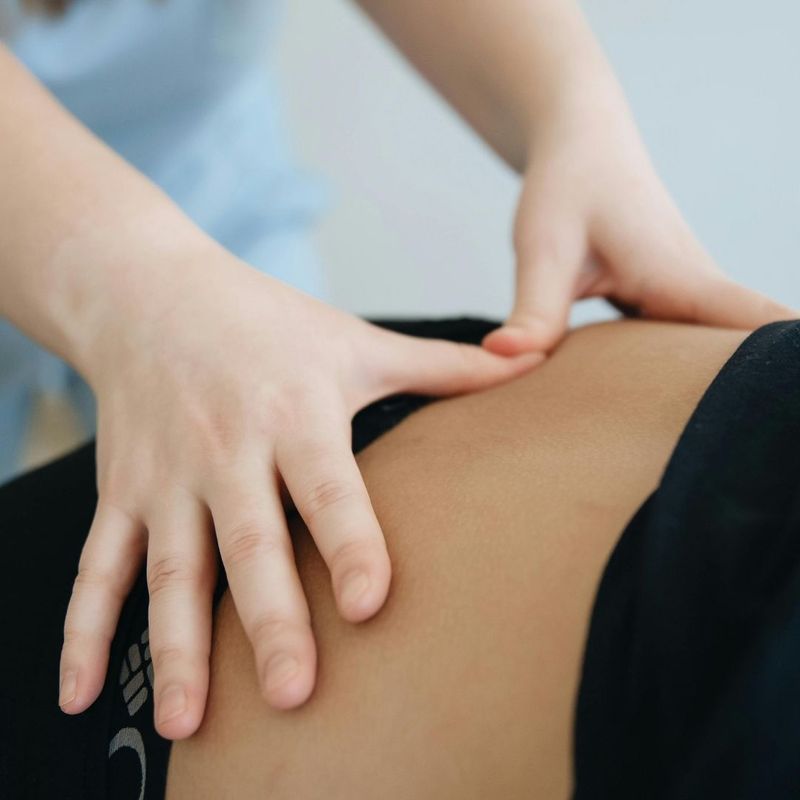
Your back often hurts more in cold weather because cold muscles tighten up, stiff joints move less, and most of us move a lot less in winter. If your spine already isn’t moving the way it should, the cold is usually what makes you notice it.
Every year, when the first real cold snap rolls into Loveland, our phone gets busier. People tell me the same thing: “Nothing happened. I just woke up and my back was tight.” Here’s the deal. Usually something was already there. The cold just turned up the volume.
Why Back Pain Gets Worse in Cold Weather
Your muscles tighten to stay warm. When you’re cold, you tend to hunch your shoulders, curl in and brace. Hold that all day walking from the parking lot or scraping a windshield, and the muscles along your neck and back stay tense for hours.
Stiff joints move less. Joints like motion. When it’s cold and you’re less active, the joints in your spine don’t move through their normal range as often, and they feel stiffer when you finally ask them to.
We all move less in winter. Shorter days, icy sidewalks, more time on the couch. Less walking means less of the everyday motion that keeps a back loose.
Winter chores are hard on backs. Shoveling, carrying in firewood, hauling boxes of decorations out of the garage, slipping on ice. Do those with tight, cold muscles and it doesn’t take much to strain something.
What about the barometric pressure? A lot of people swear they can feel a storm coming in their back. I’ll be honest: the research on weather and back pain is mixed, and some studies don’t find a clear link at all. What I can tell you is what I see in the office. People whose backs and joints are already a little off, like a wrist, elbow, knee or hip that has been injured before, are the ones who feel it most when the weather turns.
Northern Colorado Makes It Extra Interesting
Our weather here swings. It can be sixty and sunny one afternoon and in the teens with snow the next morning. Your body barely gets used to one before it’s the other. Those big swings are when we see a lot of stiff necks and low backs walk through the door.
What’s Really Going On Underneath
Your spine protects the nerves that run your whole body. When the joints of your spine aren’t moving or lined up the way they should, the muscles around them tighten up to guard and protect them. That’s why the tightness keeps coming back no matter how many times you stretch it. Cold weather piles on top of that guarding. It’s usually not the cause. It’s the thing that makes you finally notice.
How to Keep Your Back Happy When It’s Cold
Dress warm, especially your neck and low back. A scarf and a longer jacket that covers your low back help more than you’d think. Less shivering means less bracing.
Keep moving. A short walk every day, even indoors, keeps things loose. If the sidewalks are icy, walk laps around the house or the store.
Warm up before winter chores. Five minutes of walking and some gentle back and shoulder movement before you shovel or haul anything. Our snow shoveling guide has the rest.
Use heat for stiffness. A warm shower or heating pad in the morning helps stiff muscles relax. For a fresh strain in the first day or two, ice usually works better. Just don’t overdo the heat. Never fall asleep on a heating pad, because it can blister or burn your skin.
Watch your step. Good boots, small steps on ice, and hands out of your pockets so you can catch yourself.
When Cold-Weather Back Pain Needs an Exam
Some stiffness on a cold morning that loosens up once you get moving is common. Get it checked if the pain sticks around for more than a few days, keeps coming back every winter, or travels into a leg or arm with numbness or tingling. Get same-day medical care for weakness in a leg, or trouble controlling your bladder or bowels.
An exam shows how your spine is actually moving and where it’s stuck. If care makes sense, the goal is to realign the spine and restore normal motion so those guarding muscles can calm down, along with simple things you can do at home. Our lower back pain care page explains how we approach it.
You don’t have to be in pain to get checked, either. Plenty of our patients are skiers, runners and busy parents who just want their body working well all winter. Getting checked is how you stay that way.
A Simple Next Step
If you’re new to our office, our New Patient Special includes a consultation with the doctor, an orthopedic and neurological exam, and a report of findings.
If the cold has your back tight this week, call us at (970) 800-3486. Come in and let’s take a look, and then go put on a warmer coat.
Related Care at Aligned and Well
- Lower Back Pain Relief in Loveland, CO
- Neck Pain Chiropractor in Loveland, CO
- Massage in Loveland, CO: Voted Best Place for a Massage 2026
Keep Reading
Common Questions
Questions Patients Ask Us
Can cold weather really make back pain worse?
For many people, yes. Cold muscles tighten, stiff joints move less, and most of us are less active in winter, so an existing back problem often feels worse. Research on weather itself is mixed, so if your back hurts every time it gets cold, an exam can show what is going on underneath.
Is heat or ice better for back pain in cold weather?
For general morning stiffness, heat such as a warm shower or heating pad usually helps muscles relax. For a fresh strain in the first day or two, ice for 15 to 20 minutes at a time is usually better. If pain spreads into a leg or isn't improving after a few days, get it examined.
Have a different question? Read the full list of patient questions or call us at (970) 800-3486.
Get Started
Ready to Feel Like Yourself Again?
You have put this off long enough. One thorough exam tells you what is actually going on and what it will take to fix it. Call us or send a request — we will get you in.